Loading artist

Charles Blackman
Year Of Birth
1928
Year Of Death
2018
Biography
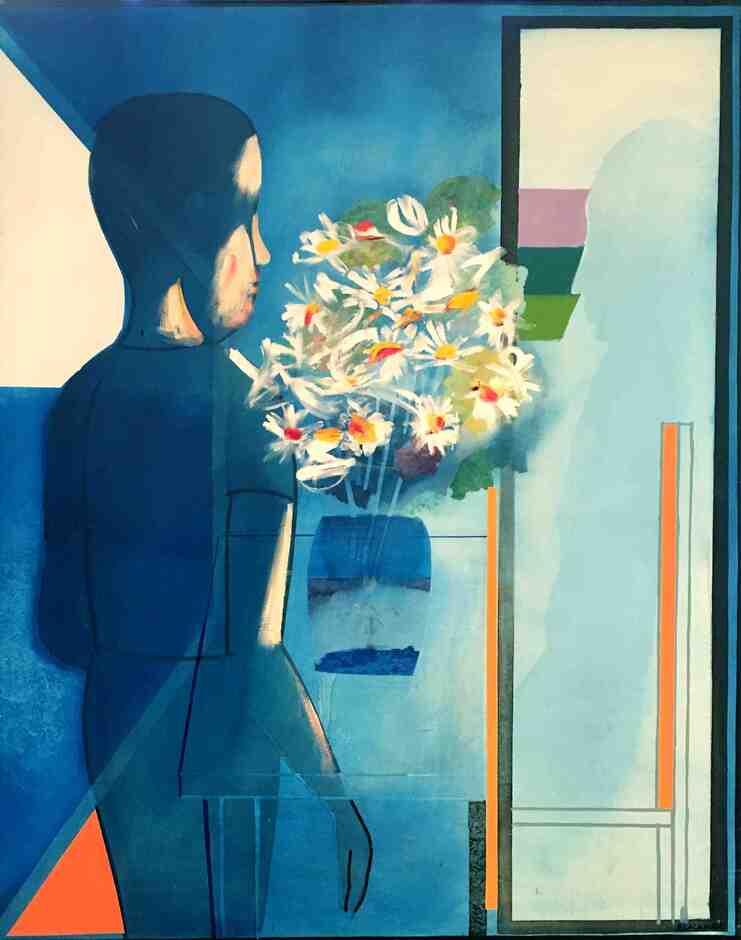
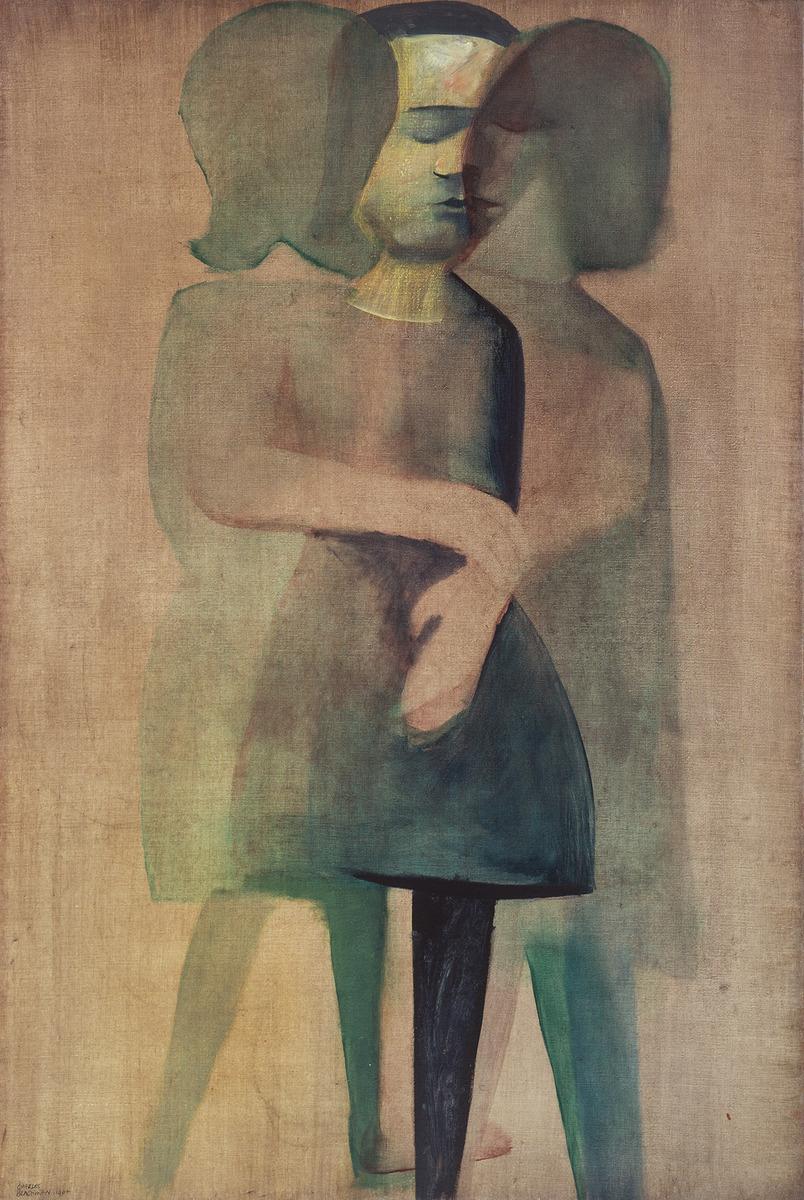
Charles Blackman (born Harbord, New South Wales) made a major contribution to the post-war story of Australian art. He brought a freshness and directness of perception, as well as a sense of poetry, to his art across diverse media. A great observer of the world around him, his work over several decades was enlivened by his imaginative inner life and informed by his profound feeling for the human condition. Associated with the influential Melbourne-based Antipodeans group, Blackman developed a highly personal visual language that combined poetic symbolism, psychological depth and literary inspiration. He is best known for his celebrated Schoolgirl series of the 1950s, inspired by the vulnerability and innocence of childhood, as well as later bodies of work drawing on the writings of Lewis Carroll, Shakespeare and other literary sources. Characterised by expressive line, rich colour and dreamlike imagery, his paintings explore themes of memory, love, identity and the human condition, securing his place as one of Australia's foremost narrative painters. A founding member of 'The Antipodeans', a loose collective of artists focussing on figuration in the 1950s (including Arthur Boyd, John Brack and Robert Dickerson among others), his work provided a lens onto the sense of isolation and loss that accompanied life in urban Australia following the Second World War. Blackman's work is represented in every major Australian public collection, including the National Gallery of Australia, the National Gallery of Victoria and the Art Gallery of New South Wales, and has been the subject of numerous museum exhibitions.