Loading artist

John Passmore
Year Of Birth
1904
Year Of Death
1984
Biography
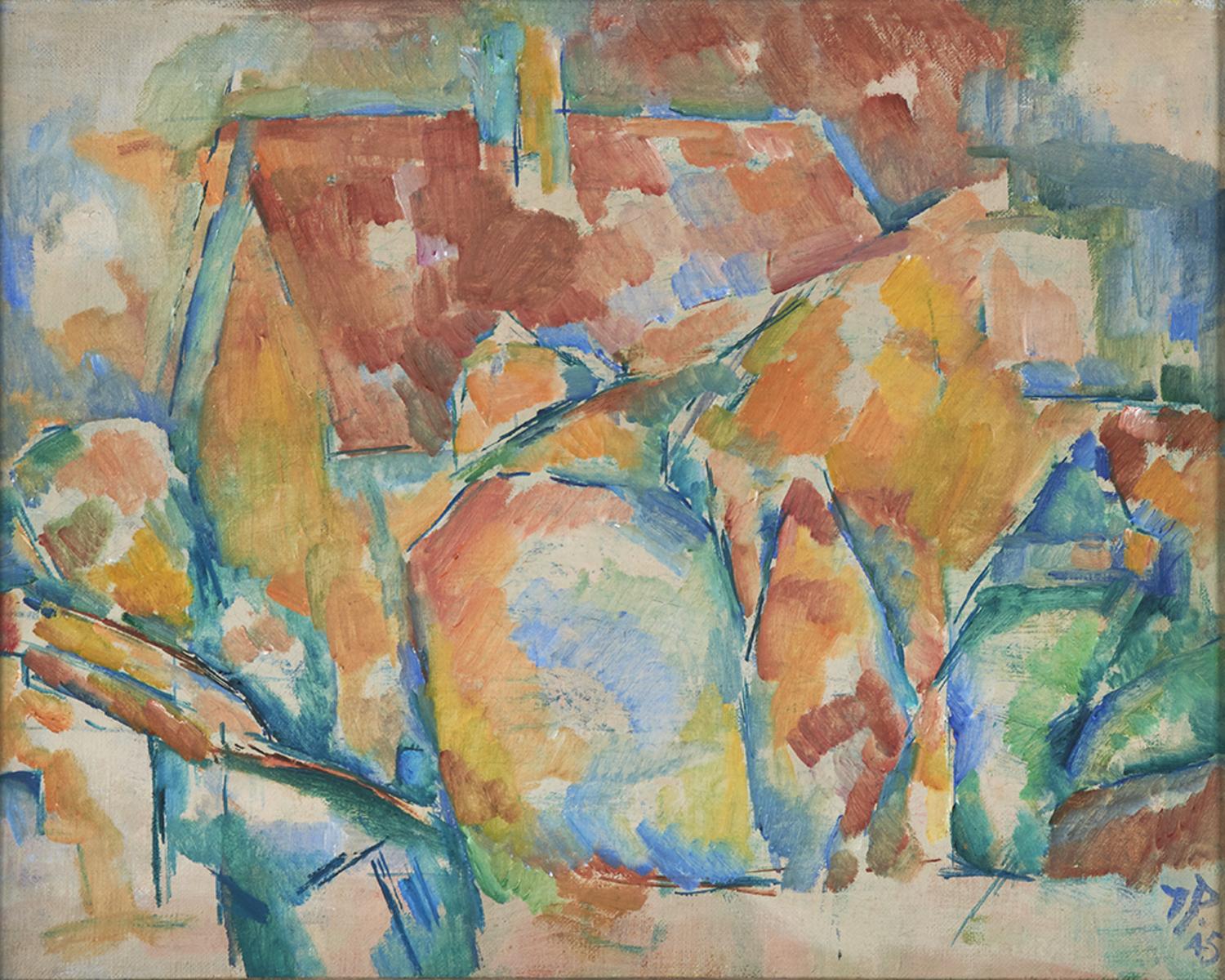
John Passmore occupies a distinctive place in Australian modernism as a painter whose work is defined by its intellectual rigour, formal restraint and sustained engagement with European modernist ideas. After early studies in Sydney and extended time in Europe during the 1930s, Passmore absorbed the influence of Cubism, Post-Impressionism and Constructivism, developing a disciplined approach to composition grounded in structure, geometry and tonal refinement. His still lifes, interiors and figure studies are characterised by carefully balanced arrangements and a quiet intensity, reflecting a lifelong commitment to exploring the underlying order of visual experience. Returning to Australia in the late 1930s, Passmore became an important though often independent voice within the development of modern art, both as a practising artist and as a teacher. While not always aligned with dominant stylistic movements of his time, his work is now recognised for its clarity, intellectual depth and consistency of vision. Represented in major Australian public collections, Passmore’s paintings stand as significant contributions to twentieth-century Australian modernism, distinguished by their formal economy and their dialogue with international modernist traditions.