Loading artist

Wolfgang Sievers
Year Of Birth
1913
Year Of Death
2007
Biography
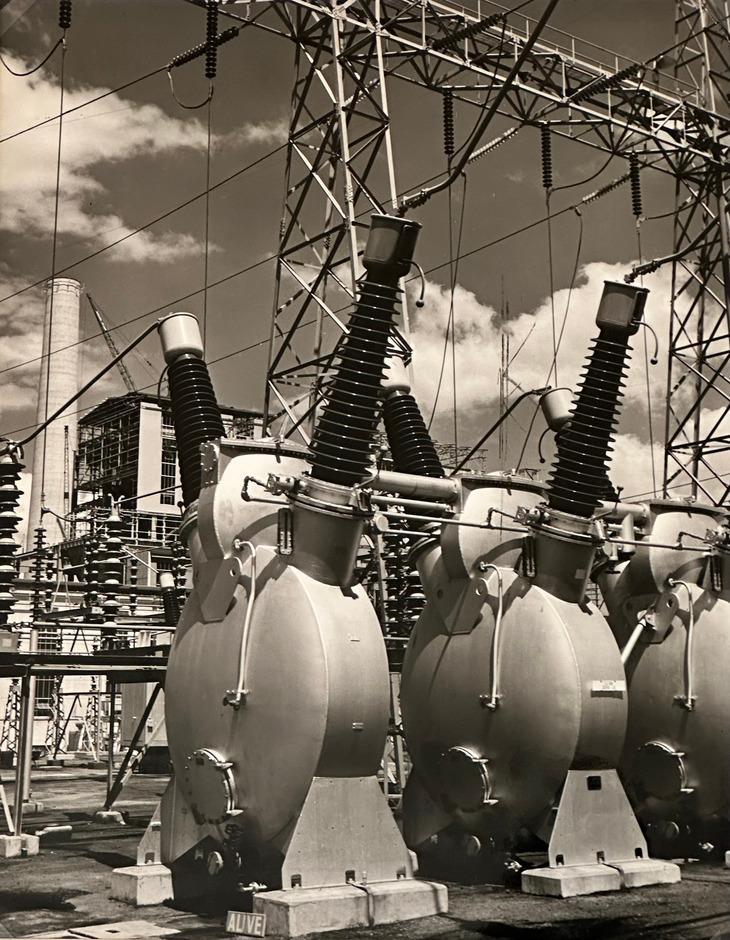
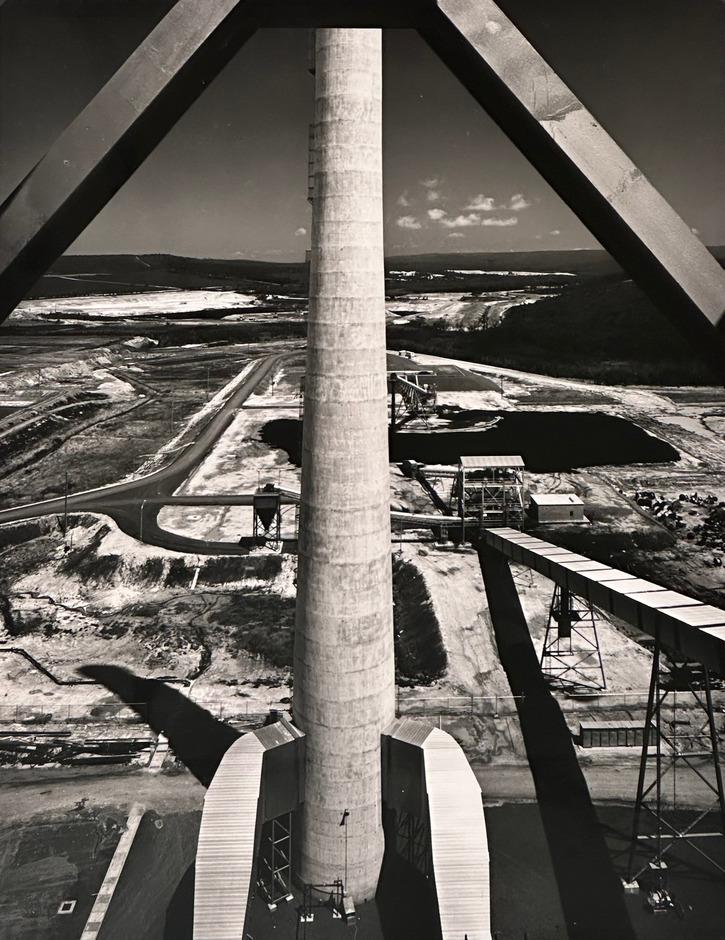
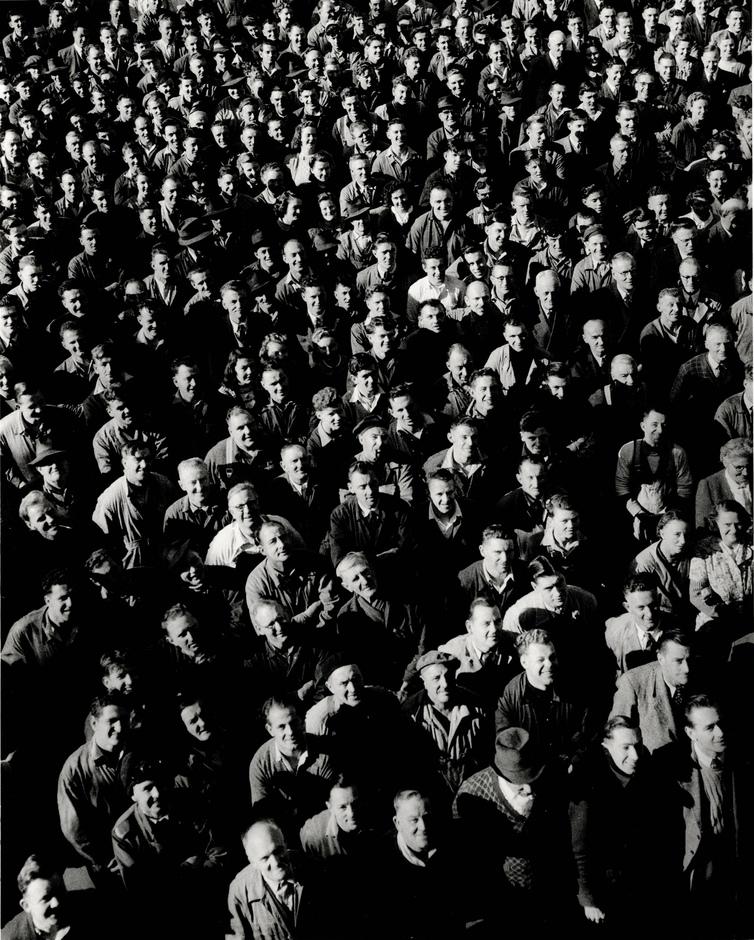
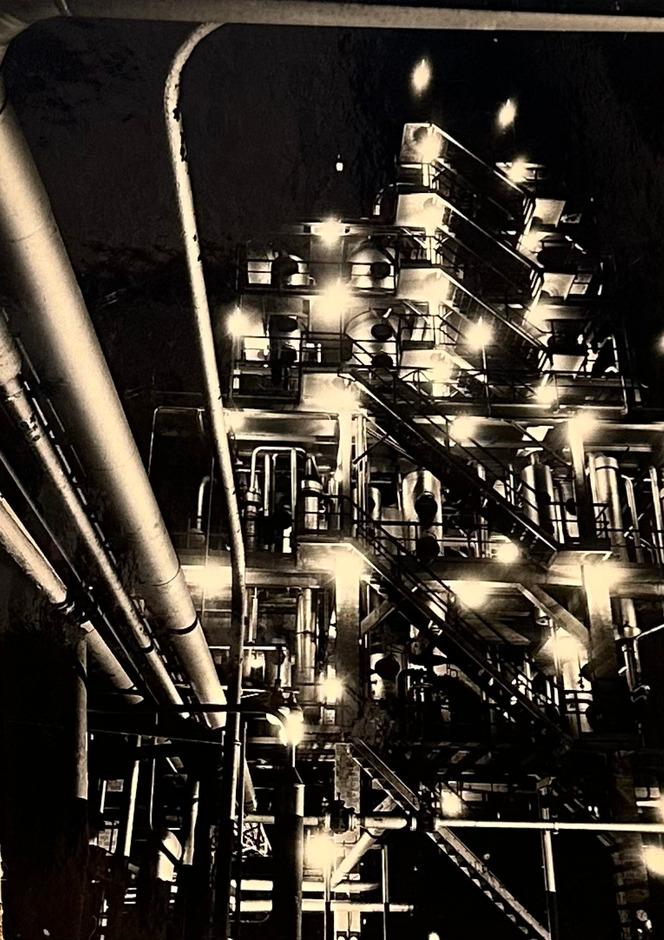
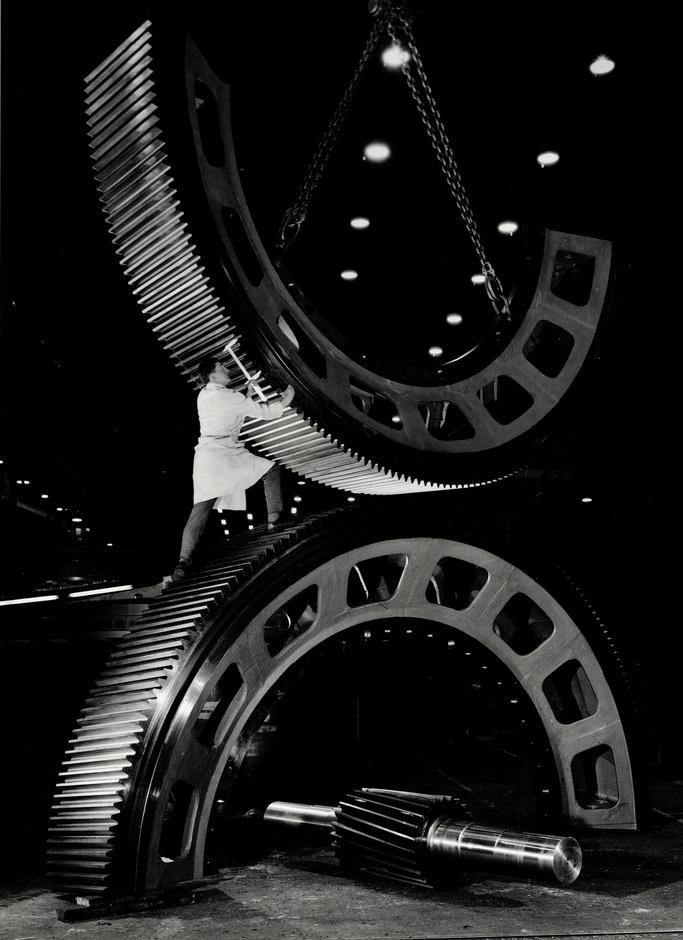
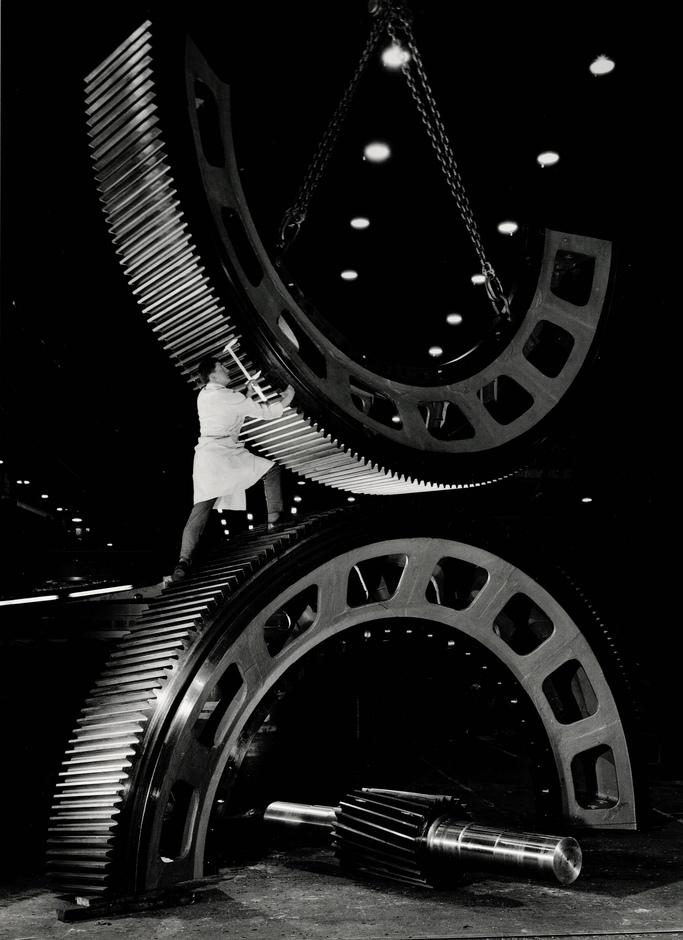
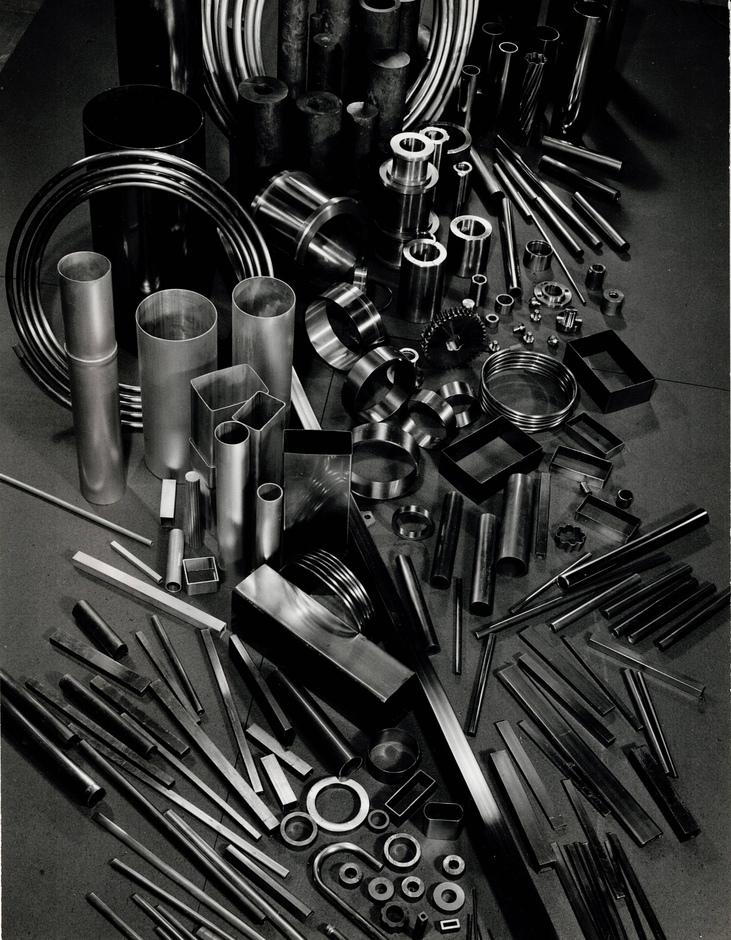
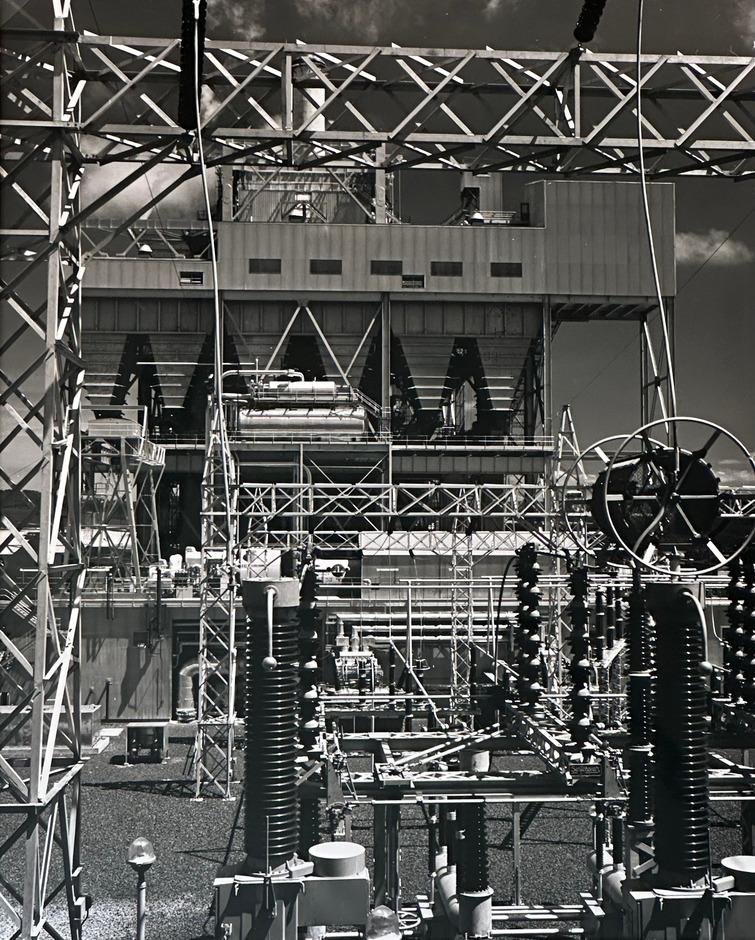
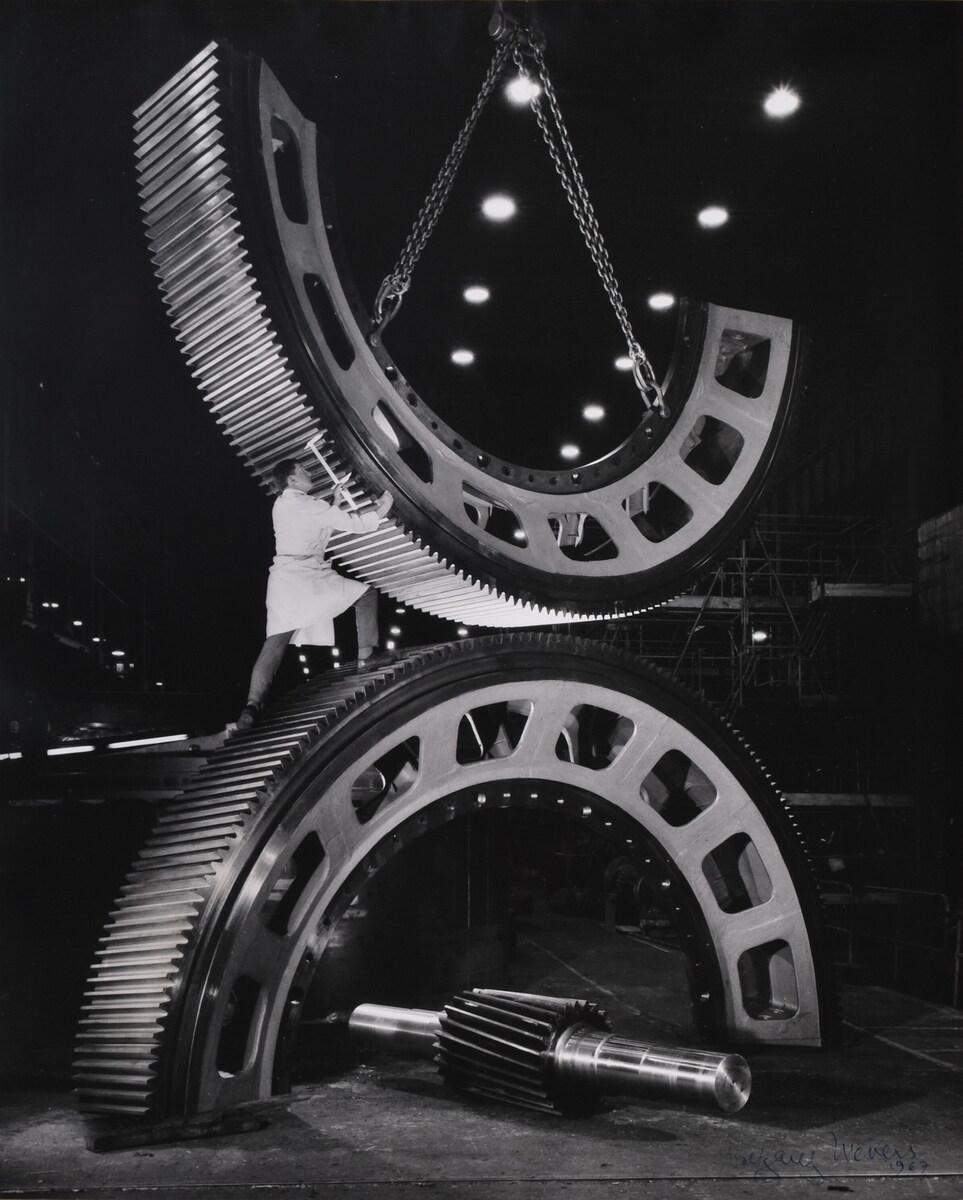
Wolfgang Sievers was a German-born Australian photographer renowned for his powerful images of industry, architecture and labour, which helped define a modern visual identity for post-war Australia. Trained at the Contempora Lehrateliers für neue Werkkunst in Berlin, Sievers brought a European modernist sensibility to his adopted country, combining precision, dramatic lighting and strong compositional geometry. His photographs elevate factories, power stations, bridges and industrial processes into monumental studies of form, reflecting both the dignity of labour and the aesthetics of technological progress. Arriving in Australia in 1938 as a refugee from Nazi Germany, Sievers established a career that spanned commercial, documentary and institutional photography. His collaborations with architects, engineers and major corporations produced some of the most iconic images of Australian modernisation in the mid-twentieth century. Deeply influenced by Bauhaus principles, his work consistently emphasises structure, clarity and the expressive potential of modern industry. Today, Sievers is recognised as one of Australia’s most important industrial photographers, with works held in major public collections and an enduring legacy as a chronicler of the nation’s post-war transformation.