Loading artist

John Coburn
Year Of Birth
1925
Year Of Death
2006
Biography
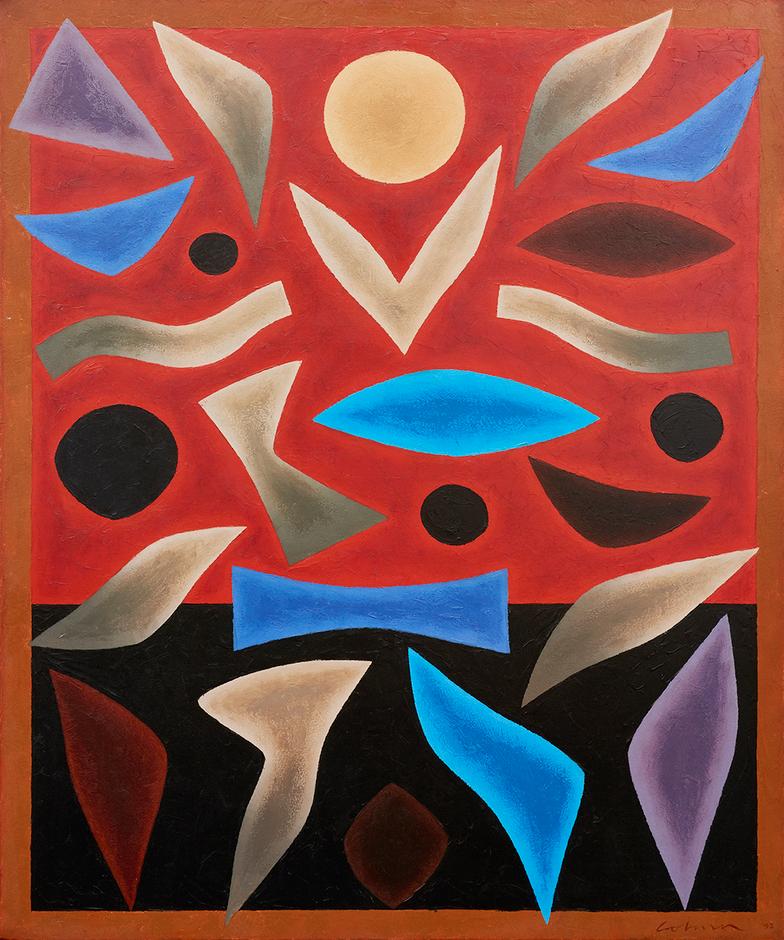
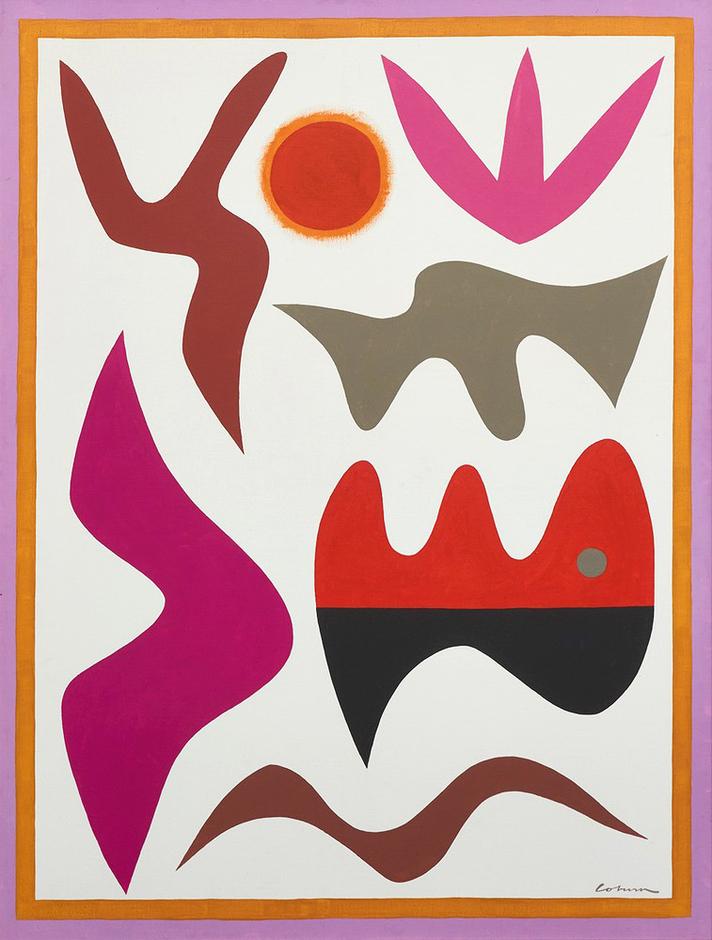
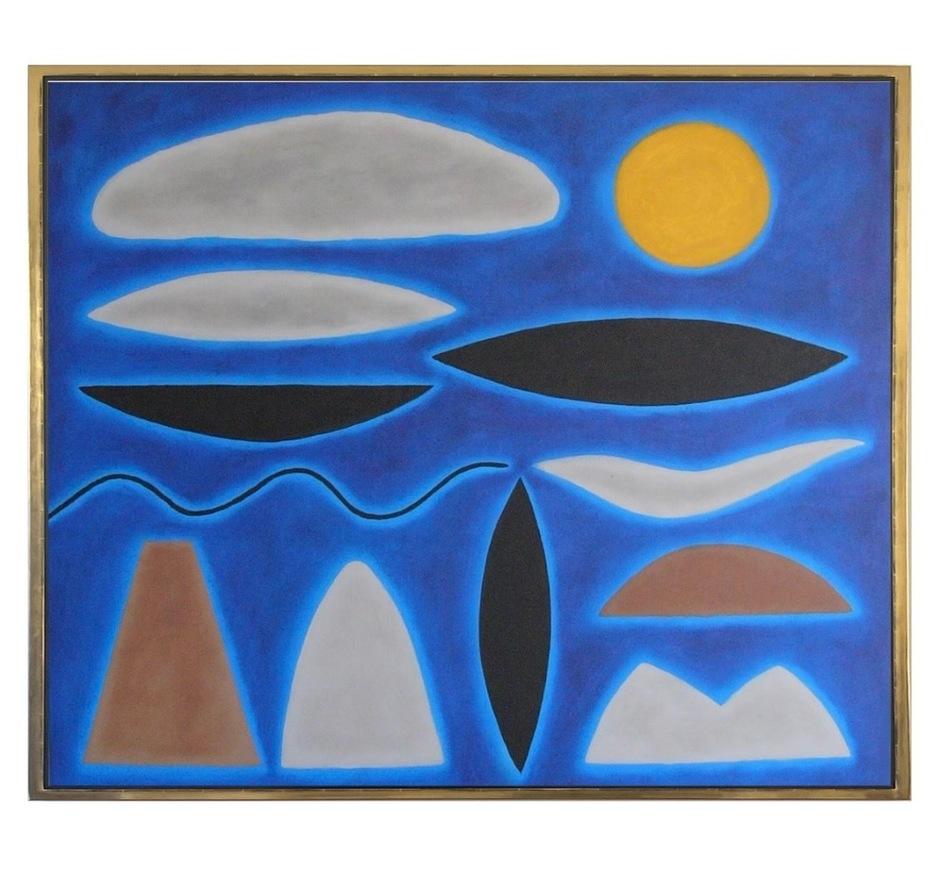
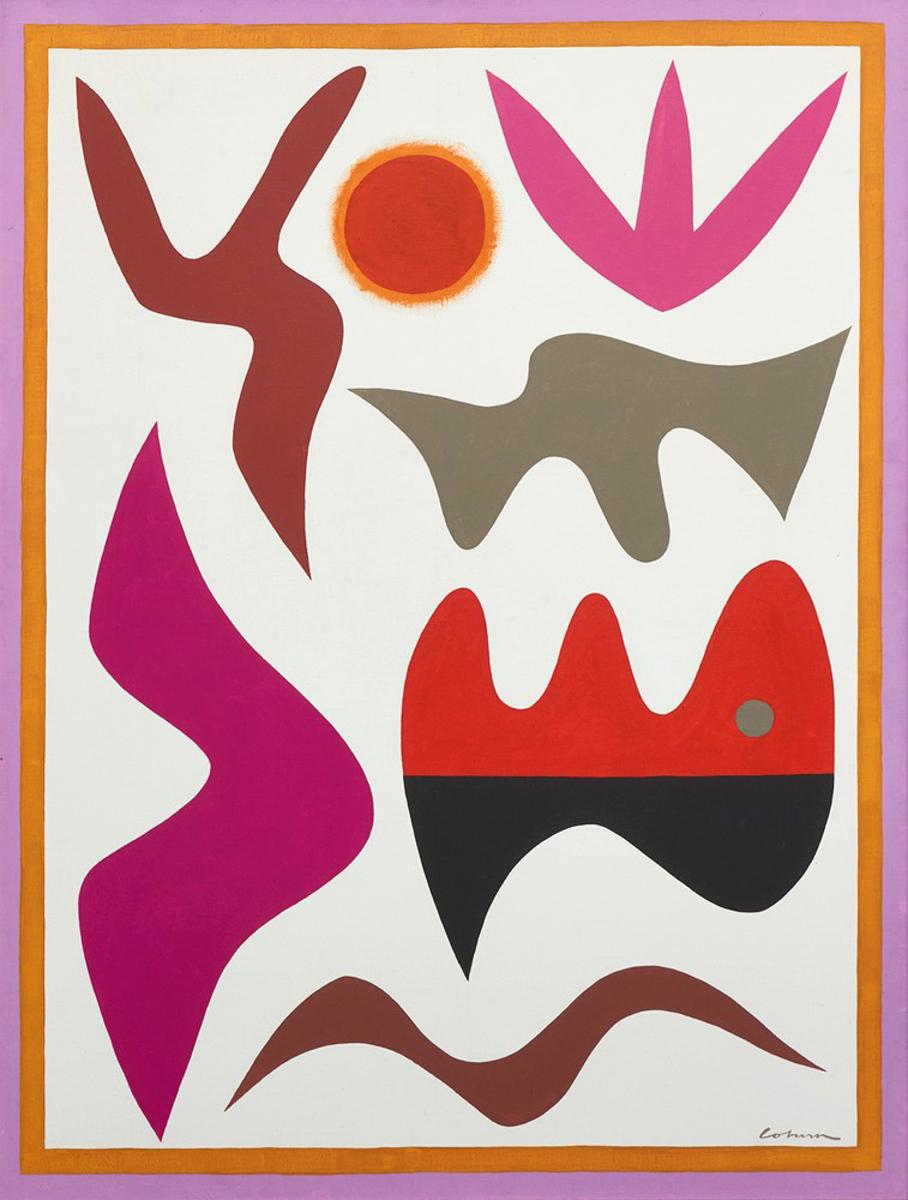
John Coburn (1925–2006) occupies a pivotal place in the history of Australian modernism, celebrated for his luminous abstract paintings, prints and monumental tapestries that forged a uniquely Australian visual language. Emerging in the 1950s, Coburn rejected representation in favour of bold geometric forms, radiant colour and symbolic imagery inspired by the Australian landscape, spirituality and the natural world. His highly individual style drew upon European modernism while expressing a profound connection to Australia's distinctive environment, establishing him as one of the nation's foremost abstract artists. Across a career spanning five decades, Coburn achieved international recognition through major public commissions, most notably the celebrated Curtain of the Sun and Curtain of the Moon created for the Sydney Opera House, alongside the monumental Seven Days of Creation tapestries commissioned for the John F. Kennedy Center for the Performing Arts in Washington, D.C. Represented in every major Australian public collection, as well as institutions including the Vatican Museums, Coburn's work remains distinguished by its clarity of form, spiritual resonance and enduring optimism. His paintings continue to be recognised as defining examples of Australian abstraction, combining exceptional aesthetic refinement with a timeless symbolic language that has secured his place among Australia's most important twentieth-century artists.