Loading artist

Clement Meadmore
Year Of Birth
1929
Year Of Death
2005
Biography
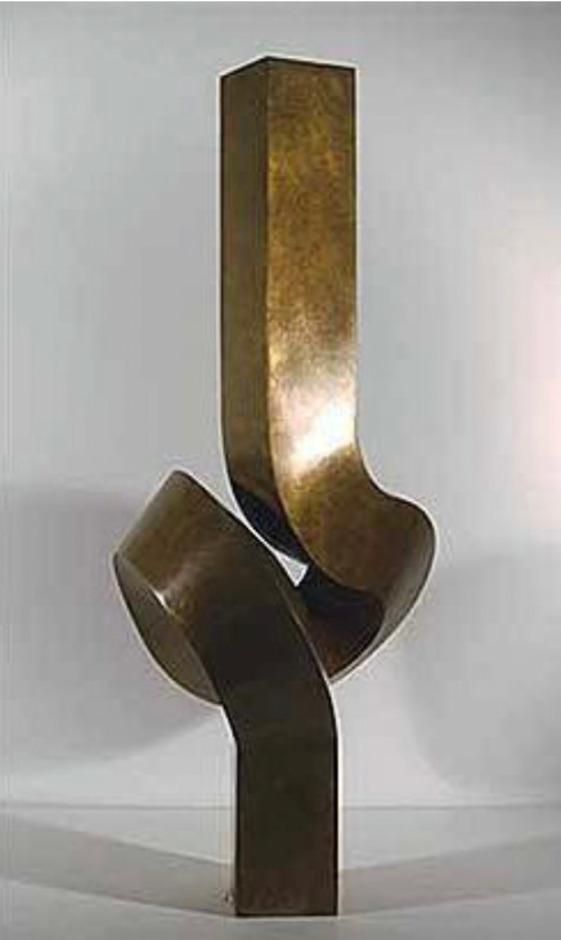
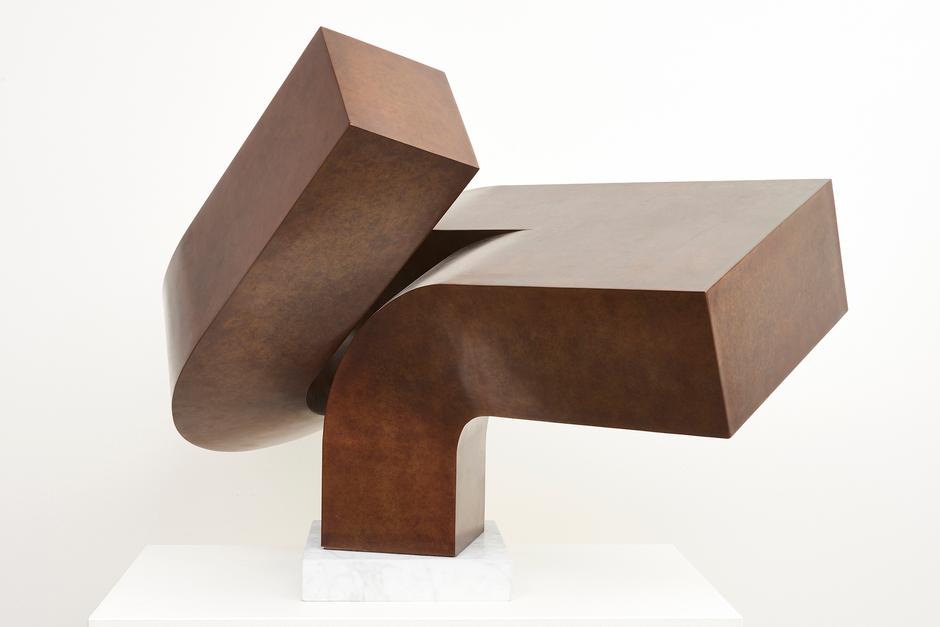
Clement Meadmore is regarded as one of the most significant Australian sculptors of the post-war period, celebrated for both the exceptional quality of his work and his enduring commitment to public sculpture. Throughout his career, he demonstrated a remarkable ability to create monumental works that engage with their surroundings, bringing vitality, cohesion and a distinct human presence to architectural and urban environments. While Meadmore's early practice has often been discussed alongside Minimalism, his sculpture ultimately extends well beyond the movement's formal restraint. His dynamic compositions transform geometric abstraction into forms of extraordinary energy, balancing sweeping linear movement with concentrated mass. Whether intimate in scale or monumental, his works convey a striking sense of tension, elegance and momentum, combining rigorous formal invention with an expressive, almost spiritual sensibility. Defying the apparent weight of their materials, his sculptures frequently appear to twist, lift and unfold with surprising lightness, challenging conventional notions of balance and gravity. Working across scales—from palm-sized maquettes to monumental public commissions exceeding fourteen metres in height—Meadmore maintained a consistent sculptural language in which even his smallest works possess a commanding, architectural presence. As the artist observed, "A building is part of the environment, but a sculpture is a presence inhabiting the environment," a philosophy that underpins his lasting contribution to public art and explains the enduring resonance of his sculpture within the built landscape.