Loading artist

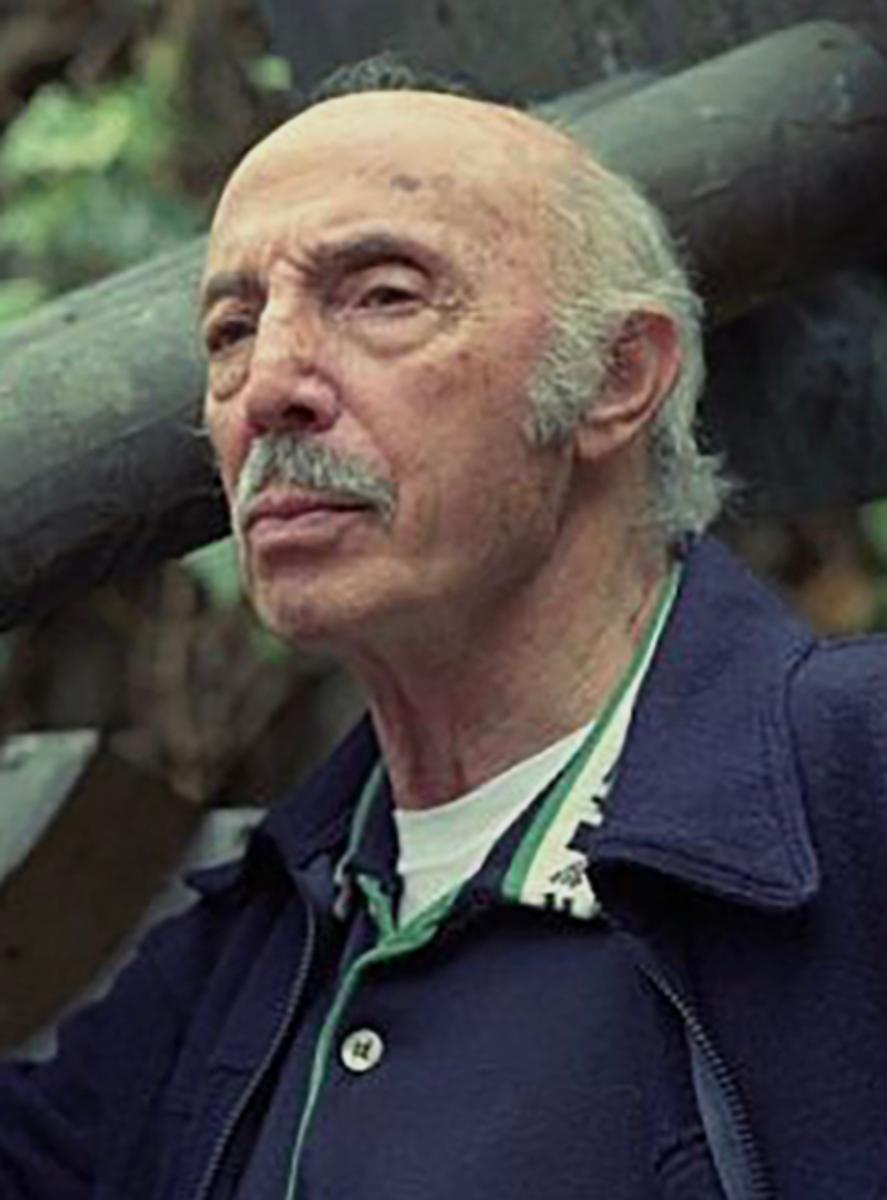
Umberto Mastroianni
Year Of Birth
1910
Year Of Death
1998
Biography
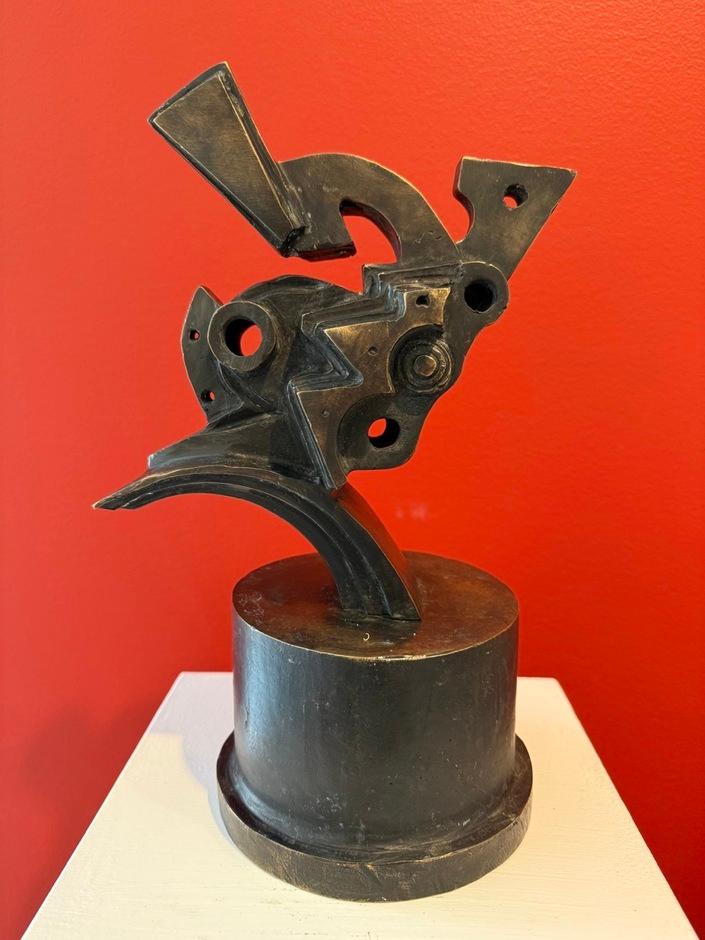
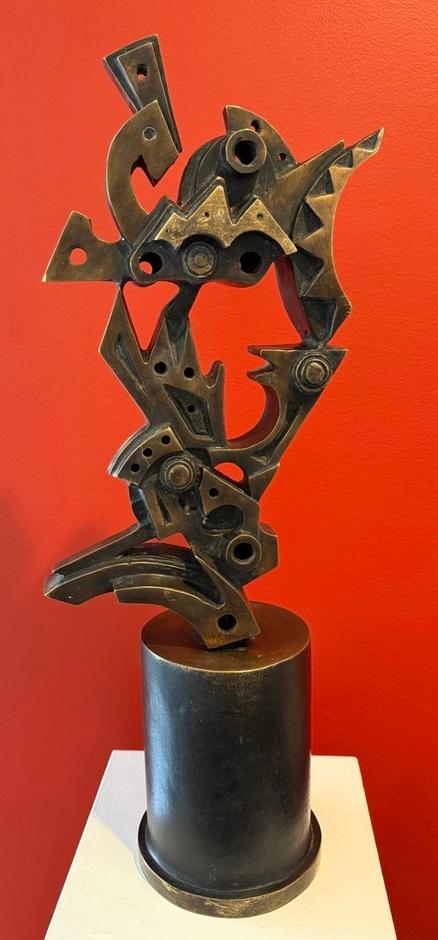
One of the most significant Italian abstract sculptors of the twentieth century, Umberto Mastroianni enjoyed a long career that carried him from the classical figuration of his youth to the contemporary abstraction defining postwar Italian art. Born in 1910 at Fontana Liri in the province of Frosinone, and into a family that had produced generations of craftsmen, Mastroianni showed an early aptitude for sculpture. When he was fourteen years old, he moved to Rome to study under his uncle Domenico, a sculptor working in the religious tradition. After relocating to Turin in 1926, Mastroianni was apprenticed to the sculptor and painter, Michele Guerrisi. While his early work remained largely figurative with pared-back bronzes indebted to classical and Etruscan models, Mastroianni absorbed the energy of Turin’s second-wave Futurist circle and he befriended Luigi Spazzapan, a painter who later became one of the most important Italian exponents of abstract art. Mastroianni’s first one-man show was held at Genoa in 1931. The turning point in Mastroianni development came through the trauma of the Second World War when he fought in the Italian Resistance — this experience shaped both his subject matter and his artistic language. His jagged and dynamic forms in bronze and steel seemed to fracture and explode outward, while expressing anguish, struggle and human endurance rather than any legible narrative. During the postwar decades, Mastroianni became the defining sculptor of the Italian Resistance, by producing municipal monuments to fallen soldiers and war victims across Italy — most notably the Monument to the Fallen in Cuneo, widely regarded as his masterpiece. Mastroianni’s international reputation grew following an influential Parisian show in 1951, and later exhibitions at the Venice Biennale (where he won the sculpture prize in 1958), New York (1964), Florence (1981) and Tokyo (1989). During the 1960s he was the headmaster and chair of sculpture at Accademia di Belle Arti di Bologna. In 1989 he was awarded the first Praemium Imperiale for sculpture – it was the same year William de Kooning and David Hockney received the first Praemium Imperiale for painting. Created in honour of late Japanese Prince Takamatsu, these awards recognise lifetime achievement in fields of the arts not covered by Nobel Prizes (painting, sculpture, architecture, music, and theatre/film). In 1998 Mastroianni died in Marino, having spent his final years also writing poetry and art criticism. An uncle of the renowned actor Marcello Mastroianni, he left behind a body of work that remains a defining expression of twentieth-century Italian sculpture’s confrontation with modern violence and modern form.